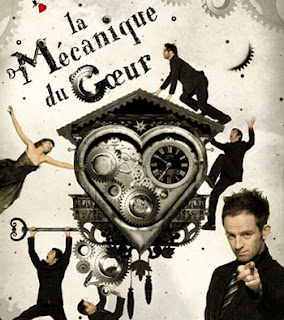
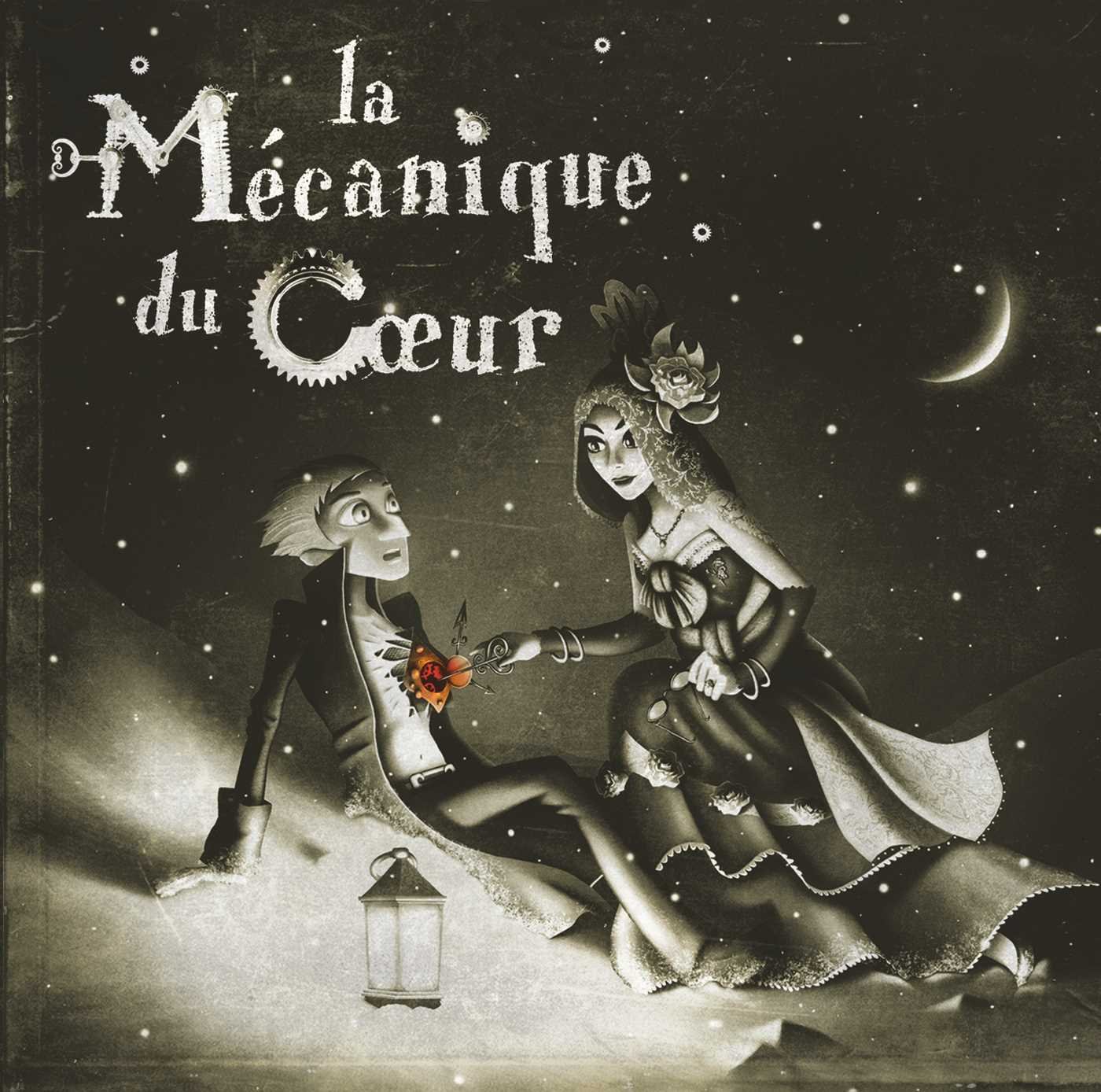
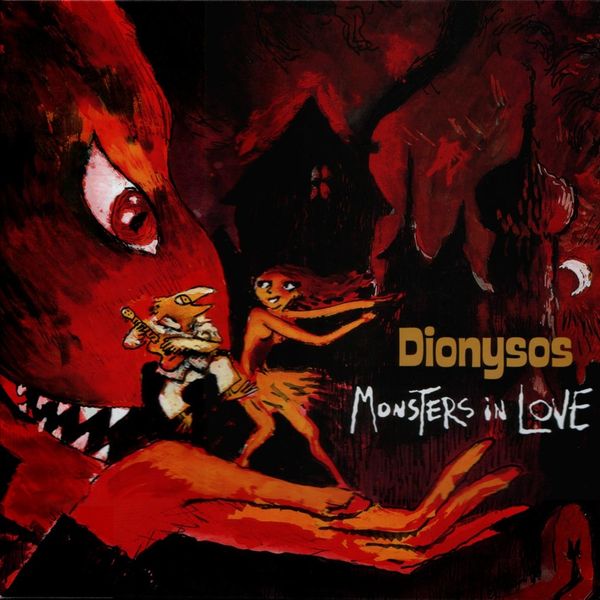
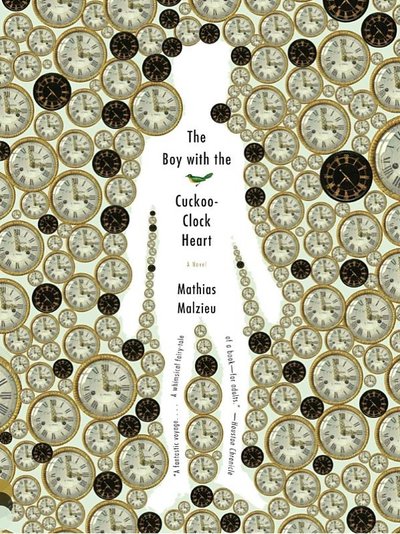
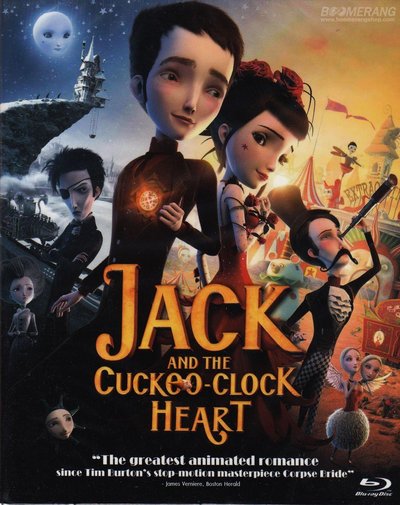
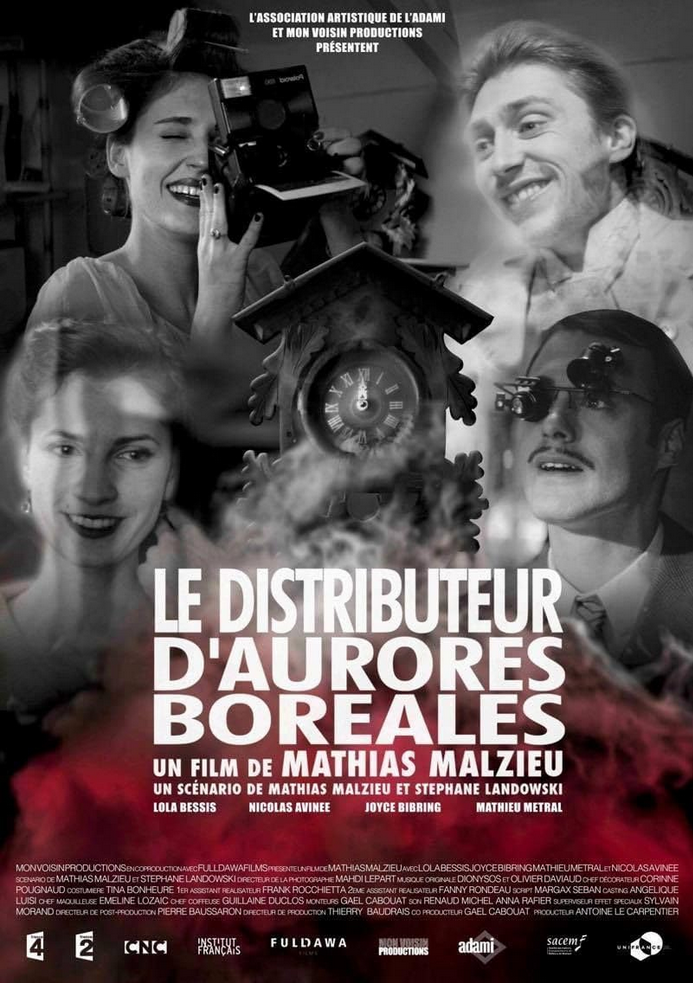
The story of the boy with the clock grafted onto his heart started as a concept album by the French band Dionysos, and soon became a book, movie, and stage play! Not to mention other projects of theirs which exist in the same universe. I discovered the English version of the movie while scrolling through Netflix sick with the flu sometime in middle school. It's stuck with me ever since. There are many different versions of this story out there, as the creator behind it continues to iterate.
The main pieces:
- La Mécanique du Cœur
- La Mécanique du Cœur / The Boy With the Cuckoo-Clock Heart
- The 2007 book, French title and English title
- Jack et la mécanique du cœur / Jack and the Cuckoo-Clock Heart
- The 2014 movie, French title and English title
There are more pieces of media in this expanded lore, but they have more distinct names and we'll go over them later!
In the online English-speaking fandom, you will usually see the movie title shortened to "JATCCH" as a shorthand for the entire series.
For starters, I love how much Mathias Malzieu loves his own story. I can relate to having a small set of characters with a vauge lore that gets interpreted in multiple different ways. It feels like a mythology re-interpreted over and over again. I also just think the music is super fun and catchy. It's a strange 2000's pop rock with lots of clock sounds, beatboxing, sometimes orchestral, sometimes Spanish guitar, it's not really like anything else! Even though it was written by a French band, the original album also includes English (awkwardly translated, which I love) and Spanish.
While I've met many people around my age in the USA who are familiar with the dubbed movie, digging up the French media is a bit of a challenge and a scavenger hunt from over here.
Luckily, I have made another fan in my partner, so we can be crazy about it together.
It's so edgy and goth and romantic and I love it. Real life French filmmaker Georges Méliès is his best friend (he's the background because he's my favorite). Jack the Ripper is here (or possibly just a vision of him) and tries to kill Jack while also prophesying that they are one and the same. There's references to Spaghetti Westerns, blood tasting like eating helicopters, and floorboards like wooden croccodiles. It's great.
There are bits of fantasy very lightly sprinkled in, but it tows the line of magical realism. Jack's clock may or may not actually be affected by his feelings. Acacia grows rose vines covered in thorns across her body when she's feeling threatened. There's bits of magic. I love magical realism, so many fairy tales are more real than they are pure fantasy, and it's a style of storytelling I've been really into recently.
Themes in the story that I connnect with are growing up, struggling to build a sense of identity, being a stupid kid in love and making decisions you regret, feeling like you're a bad person or that the world is coming after you. There's layers of hypochondriasis and OCD under Jack's anxiety. Depending on the version of the story, Jack's heart its either a real prosthesis that he needs to live, or a fake heart that his adopted mother told him was real to keep him from growing up. Either way, the end of the story is him finally becoming an adult, and needing to leave it behind.
This is not a story for kids. All versions of the story are strangely sexual, there's a lot of love but also lots of innuendo. So be warned if you plan to go too much into listening and reading the material. It's just the occasional thing, but definitely present in the flowery language. Just because it got an animated movie does not mean any of it was intended as children's media.
Jack: "J'ai fait peur à tout le monde" (I'll only scare them again) is repeated over and over in multiple songs. He's terrified of becoming known as an intimidating or violent person, just like his vision of Jack the Ripper says "tu apprendras bien vite à effrayer pour exister" (you'll soon learn to scare to prove you exist).